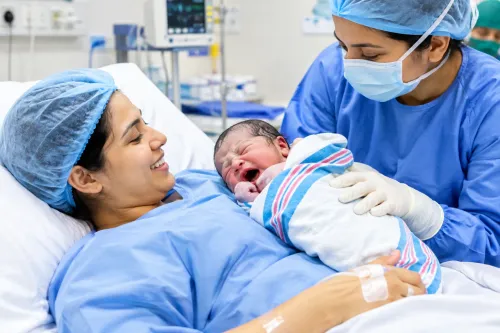

Starting a family is an important milestone for many couples, but conception does not always happen as expected. When pregnancy does not occur despite regular attempts over an appropriate period, medical evaluation can help identify possible causes. Modern IVF treatment has provided new possibilities for many individuals experiencing fertility challenges by combining advanced reproductive techniques with personalized medical care.
Understanding how IVF works helps couples approach fertility treatment with realistic expectations and greater confidence.
What Is IVF Treatment
In Vitro Fertilisation (IVF) is an assisted reproductive procedure in which eggs are collected from the ovaries and fertilised with sperm in a specialised laboratory. The resulting embryo is carefully monitored before being transferred into the uterus.
IVF may be recommended after a comprehensive fertility evaluation depending on the couple's medical history and the underlying cause of infertility.
When Is IVF Considered
IVF is not the first solution for every couple. Doctors generally recommend it after assessing several important factors.
Some situations where IVF may be considered include:
- Blocked or damaged fallopian tubes
- Severe male factor infertility
- Endometriosis affecting fertility
- Ovulation disorders
- Reduced ovarian reserve
- Unexplained infertility
- Previous unsuccessful fertility treatments
Every treatment plan is customised according to individual medical findings rather than following a standard protocol.
Understanding the IVF Process
Although every patient's treatment differs slightly, the overall process generally includes several stages.
Ovarian Stimulation
Medication encourages multiple eggs to mature during one treatment cycle.
Egg Retrieval
The mature eggs are collected through a minimally invasive procedure under medical supervision.
Fertilisation
Eggs and sperm are combined in a laboratory, allowing fertilisation to occur under carefully controlled conditions.
Embryo Development
Embryos are monitored over several days to assess their development before transfer.
Embryo Transfer
A selected embryo is transferred into the uterus using a relatively simple procedure.
After transfer, the medical team monitors progress before confirming pregnancy through appropriate testing.
Factors That Influence Success
Many couples wonder whether IVF guarantees pregnancy. In reality, outcomes vary depending on several medical factors, including:
- Maternal age
- Egg quality
- Sperm quality
- Uterine health
- Underlying fertility diagnosis
- Overall physical health
- Previous reproductive history
A detailed fertility assessment helps determine the most appropriate treatment strategy for each couple.
Preparing Before Starting IVF
Lifestyle improvements may support overall reproductive health before beginning treatment.
Doctors often recommend:
- Maintaining a healthy body weight
- Eating a nutritious diet
- Avoiding tobacco and excessive alcohol
- Managing stress effectively
- Following prescribed medications carefully
- Attending all scheduled appointments
Open communication between patients and their fertility specialist also contributes to better treatment planning.
As awareness about fertility care continues to grow in Nagpur and throughout Maharashtra, more couples are choosing early fertility evaluations instead of delaying medical consultation. Early diagnosis allows doctors to identify suitable treatment options before fertility-related factors become more complex.
Dr. Astha Motwani Gynecologist Infertility offers comprehensive fertility assessment and personalized IVF treatment planning based on each couple's unique medical needs. Through careful evaluation, evidence-based care, and continuous clinical guidance, couples receive support throughout every stage of their fertility journey while making informed decisions about their reproductive health.
Keywords