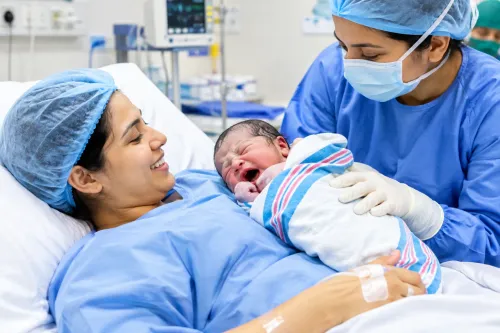

Every pregnancy deserves careful monitoring, but some pregnancies require additional medical supervision due to factors that may increase the likelihood of complications. Understanding when high-risk pregnancy care is recommended helps expectant mothers seek timely support and appropriate monitoring throughout pregnancy.
A high-risk pregnancy does not necessarily mean complications will occur. Instead, it indicates the need for closer observation to promote the best possible outcomes for both mother and baby.
What Is Considered a High-Risk Pregnancy
A pregnancy may be classified as high risk when existing medical conditions, pregnancy-related complications, or maternal factors increase the need for specialised care.
These pregnancies often benefit from more frequent check-ups, additional investigations, and personalized treatment plans.
Factors That May Increase Pregnancy Risk
Several situations may require closer monitoring, including:
- High blood pressure
- Gestational diabetes
- Thyroid disorders
- Multiple pregnancy such as twins
- Previous pregnancy complications
- Maternal age above 35 years
- Recurrent pregnancy loss
- Placental abnormalities
- Certain autoimmune disorders
Every pregnancy is assessed individually, and risk levels vary from person to person.
How Doctors Monitor High-Risk Pregnancies
Specialised pregnancy care focuses on identifying changes early and responding appropriately.
Monitoring may include:
- More frequent antenatal visits
- Advanced ultrasound examinations
- Blood pressure monitoring
- Blood sugar assessment
- Fetal growth evaluation
- Laboratory investigations
- Non-stress tests when indicated
Regular monitoring enables doctors to make timely decisions if additional medical intervention becomes necessary.
Warning Signs That Require Immediate Medical Attention
Pregnant women should seek prompt medical evaluation if they notice:
- Severe abdominal pain
- Heavy vaginal bleeding
- Persistent severe headaches
- Sudden swelling of the face or hands
- Reduced fetal movements
- Blurred vision
- Leakage of fluid before labour
- Persistent high fever
Early assessment helps determine whether urgent treatment is required.
Supporting a Healthy Pregnancy
Although not every complication can be prevented, healthy lifestyle choices contribute to maternal well-being.
Important recommendations include:
- Following prescribed medications carefully.
- Eating a nutritious, balanced diet.
- Keeping all scheduled appointments.
- Monitoring existing medical conditions.
- Getting adequate rest.
- Reporting new symptoms without delay.
- Following activity recommendations from your doctor.
Women in Nagpur and throughout Maharashtra increasingly benefit from structured antenatal care that combines regular monitoring with personalized clinical guidance. Early identification of risk factors allows doctors to adapt care plans according to changing medical needs during pregnancy.
Dr. Astha Motwani Gynecologist Infertility provides comprehensive pregnancy assessment and high-risk pregnancy care based on individual maternal health requirements. Through careful monitoring, evidence-based medical management, and ongoing support, expectant mothers receive guidance throughout pregnancy while working toward a safe delivery and healthy maternal outcomes.
Keywords