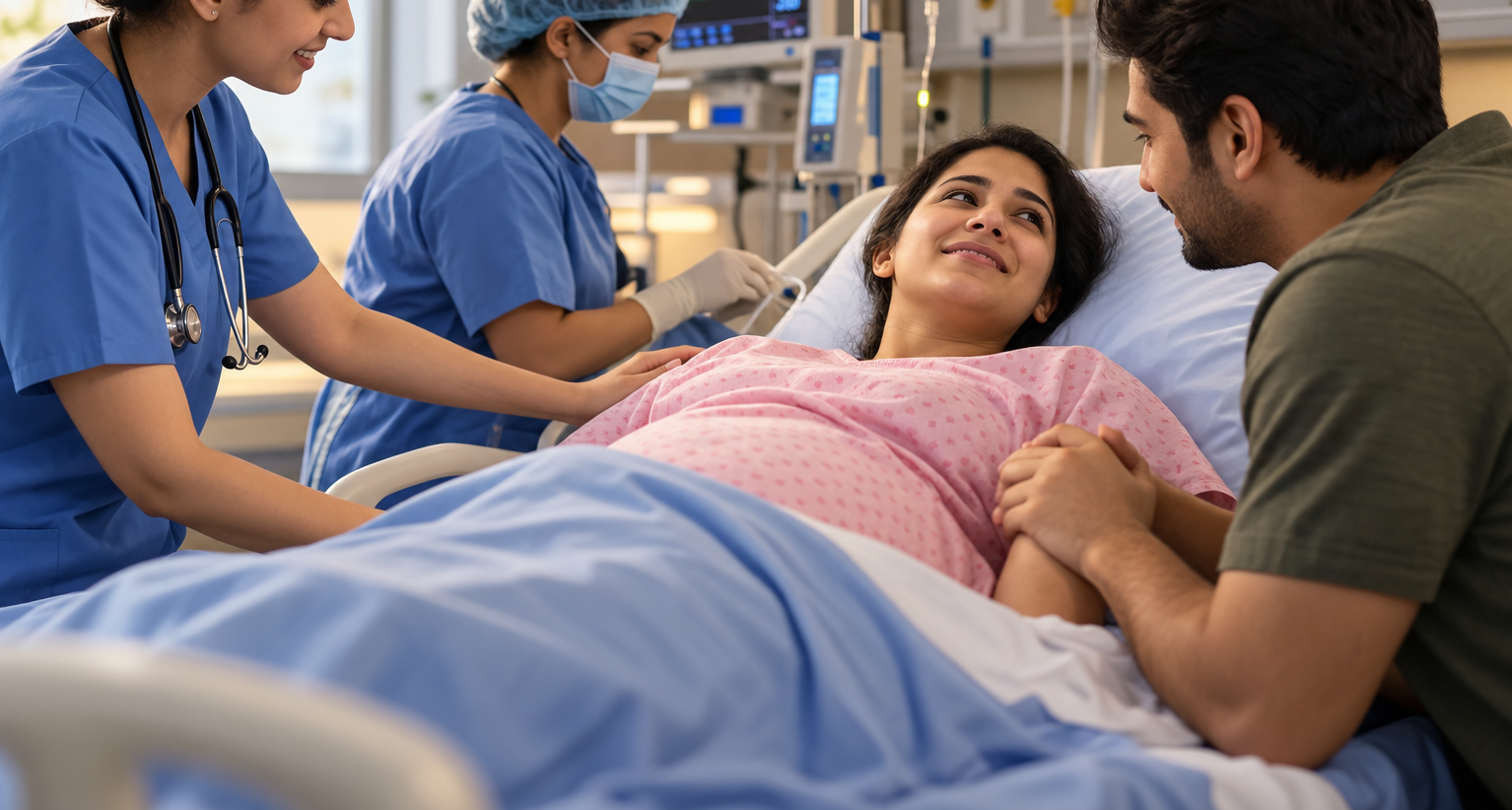
Fear of labour pain is common, particularly during a first pregnancy. Modern maternity care offers several ways to manage pain, but the phrase Painless Pregnancy Delivery can be misleading when interpreted as a guarantee that childbirth will involve no discomfort. A better approach is to develop a medically appropriate labour pain-management plan while remaining flexible if circumstances change.
Pregnant women in Nagpur, Maharashtra, can discuss available options during antenatal care rather than waiting until active labour to learn how pain relief works.
Why Labour Pain Varies
No two labour experiences are identical.
Pain can be influenced by:
- Strength and frequency of contractions
- Duration of labour
- Baby's position
- Previous childbirth
- Induction of labour
- Maternal anxiety and fatigue
- Individual pain perception
This is why one woman's experience cannot predict another's.
What Pain-Relief Methods May Be Available?
Pain management can include supportive techniques, medication, and regional anaesthesia.
Non-drug measures may include breathing techniques, movement, positioning, relaxation, and appropriate support during labour.
Medical pain-relief options depend on the maternity setting, maternal condition, stage of labour, and professional assessment.
Epidural analgesia is one commonly discussed method. Medication is delivered near nerves in the lower back through a catheter placed by an appropriately trained anaesthesia professional.
It can provide substantial pain relief while allowing the woman to remain awake.
What Are the Benefits of Epidural Analgesia?
For appropriately selected women, an epidural can provide effective labour pain control.
It can be particularly valuable during a long or difficult labour. If operative delivery becomes necessary, an existing epidural may sometimes be useful as part of the anaesthetic plan, depending on clinical circumstances.
However, pain relief can vary and complete absence of sensation cannot be promised.
What Risks Should Be Discussed?
Potential effects and complications may include:
- Drop in blood pressure
- Itching
- Difficulty passing urine
- Incomplete or uneven pain relief
- Temporary heaviness or weakness in the legs
- Headache after accidental dural puncture
- Rare neurological or infectious complications
An anaesthesia professional should assess suitability and explain relevant risks.
Preparing Before Labour
Discuss pain-management preferences during pregnancy, particularly if you have spinal problems, blood-clotting concerns, previous anaesthetic difficulties, allergies, or significant medical conditions.
A birth plan can document preferences, but it should remain flexible.
Maternal safety and fetal wellbeing may sometimes require changes to the original plan.
Recovery After Delivery
Post-delivery recovery depends more on the type of birth and complications than on the concept of painless delivery itself.
Following vaginal birth, women may experience perineal soreness, bleeding, uterine cramps, and fatigue.
After caesarean birth, abdominal wound recovery takes longer and requires specific postoperative care.
Women who have received an epidural are monitored until sensation and mobility have adequately returned.
Frequently Asked Questions
Does painless delivery mean absolutely no pain?
No method can responsibly guarantee a completely pain-free labour experience.
Does an epidural automatically lead to caesarean delivery?
An epidural does not mean that a caesarean birth will automatically be required. Delivery decisions depend on maternal and fetal circumstances and labour progress.
Can everyone receive an epidural?
No. Certain medical conditions, medication use, infection, blood-clotting problems, or other factors can affect suitability.
When should I discuss labour pain relief?
Antenatal appointments provide a good opportunity, especially when you have specific concerns or medical conditions.
Women planning maternity care in Nagpur can discuss Painless Pregnancy Delivery options and realistic labour pain-management expectations with Dr. Astha Motwani Gynecologist Infertility at Nari Clinic. The safest plan balances comfort preferences with maternal and fetal wellbeing.
Keywords