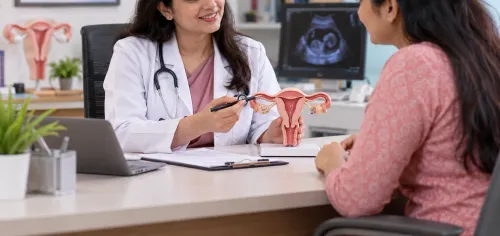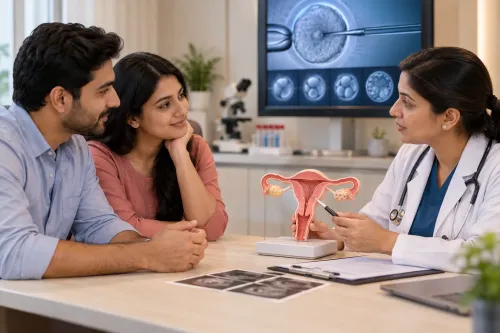
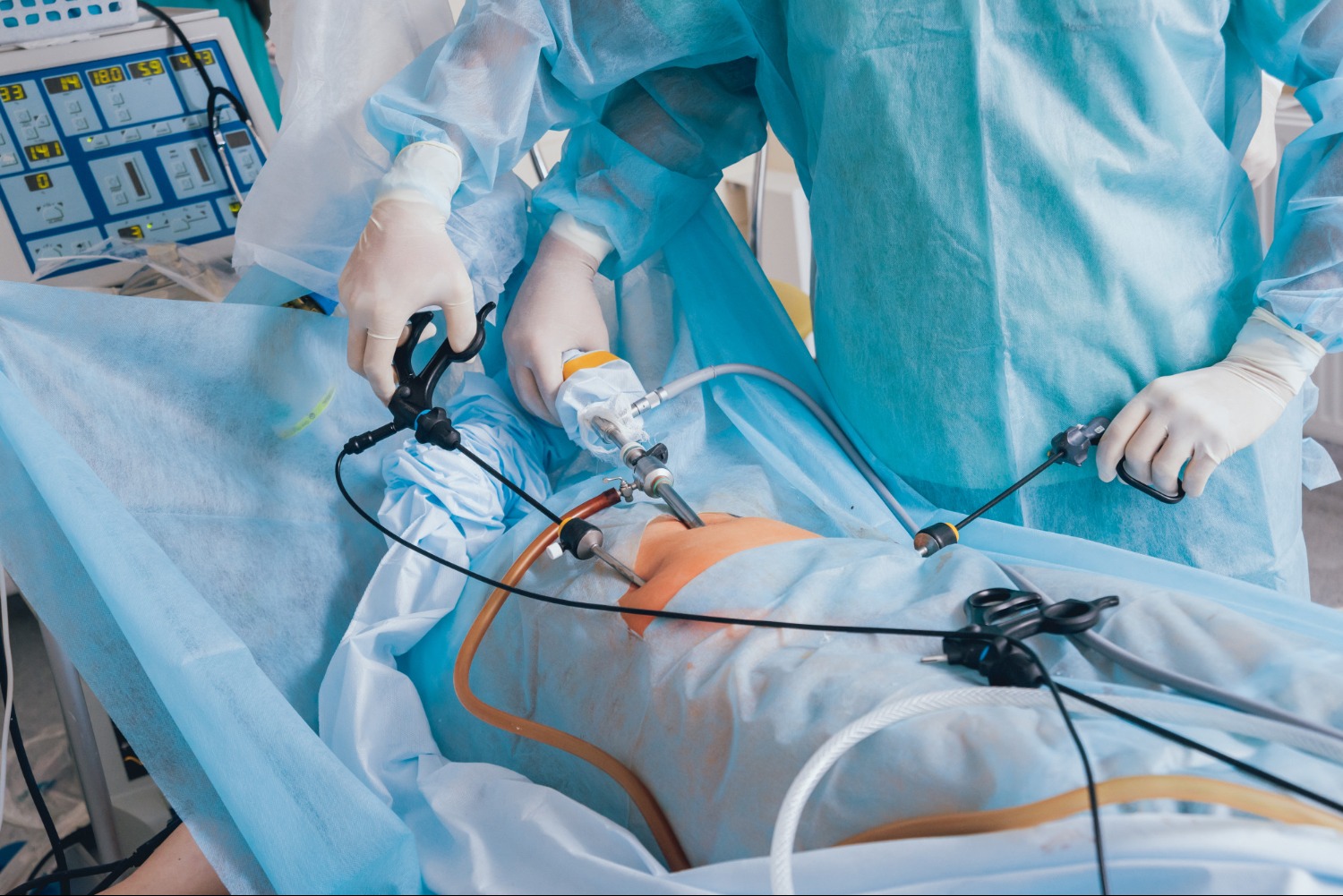
Traditional open surgery is not the only surgical approach available for many gynecological conditions. In appropriately selected cases, Laparoscopic Surgery allows a gynecologist to examine or operate within the abdomen and pelvis through small incisions using a camera and specialised instruments.
For women in Nagpur, Maharashtra, the decision to undergo laparoscopy should be based on diagnosis, symptoms, previous treatment, reproductive plans, and whether surgery is likely to provide meaningful benefit.
What Gynecological Conditions May Require Laparoscopy?
Laparoscopy may be considered for selected patients with conditions such as:
- Ovarian cysts
- Endometriosis
- Certain fibroids
- Ectopic pregnancy
- Chronic pelvic pain requiring investigation
- Some fertility-related pelvic conditions
- Certain hysterectomy procedures
- Other gynecological conditions requiring pelvic surgery
The presence of one of these conditions does not automatically mean surgery is required.
For example, some ovarian cysts can be monitored, while some fibroids can be managed medically depending on symptoms, size, location, age, and reproductive plans.
What Happens During the Procedure?
Laparoscopy is generally performed under anaesthesia.
A small incision is commonly made near the navel so that a laparoscope can be introduced. Additional small incisions may be required for surgical instruments.
The surgeon views the pelvic organs on a monitor and performs the planned procedure when appropriate.
The exact operation can range from a relatively limited diagnostic assessment to more complex surgery, so procedure duration and recovery cannot be generalized.
How Should Patients Prepare?
Preoperative preparation may include physical assessment, laboratory tests, imaging, anaesthesia evaluation, and review of current medications.
Tell the clinical team about:
- Blood-thinning medicines
- Medication allergies
- Previous anaesthesia problems
- Previous abdominal operations
- Existing medical conditions
- Pregnancy possibility
- Supplements and non-prescription medicines
Follow instructions regarding fasting and medicines carefully. Patients should not independently discontinue prescribed medication unless instructed by the treating medical team.
What Are the Potential Benefits?
Compared with open abdominal surgery for an equivalent suitable procedure, minimally invasive surgery may offer benefits such as smaller incisions, less postoperative discomfort in many cases, shorter hospital stay, and earlier return to routine activity.
However, the actual advantage depends on the operation and patient.
The smallest incision is not automatically the safest choice if the condition requires a different surgical approach.
What Risks Should Be Understood?
Laparoscopy is surgery and therefore has potential complications.
These can include:
- Bleeding
- Infection
- Anaesthesia-related complications
- Injury to the bowel, bladder, urinary tract, blood vessels, or other structures
- Blood clots
- Need for further treatment
- Conversion to open surgery when required for safety
Individual risks can be affected by previous operations, adhesions, body composition, medical conditions, and complexity of the disease.
How Long Does Recovery Take?
Recovery varies substantially.
Patients undergoing a minor diagnostic procedure may return to routine activities sooner than someone undergoing laparoscopic treatment for extensive endometriosis, a large ovarian cyst, fibroids, or hysterectomy.
Temporary abdominal discomfort, fatigue, incision soreness, and shoulder-tip discomfort related to gas used during laparoscopy can occur.
Patients should follow instructions about wound care, bathing, driving, lifting, exercise, work, and sexual activity.
When Should You Seek Help After Surgery?
Contact the treating team promptly for symptoms such as increasing abdominal pain, persistent vomiting, heavy bleeding, fever, worsening wound redness or discharge, difficulty breathing, chest pain, or other unexpected symptoms.
Postoperative review is also important even when recovery appears uncomplicated.
Frequently Asked Questions
Is laparoscopic surgery always better than open surgery?
No. The best surgical approach depends on the condition, complexity, previous surgery, patient health, and surgeon's assessment.
Will I go home on the same day?
Some procedures may allow early discharge, while more complex operations require hospital observation. Your surgeon should provide an expected plan before surgery.
Will there be scars?
Laparoscopy requires incisions, so small scars can remain. Their appearance varies with healing and the procedure performed.
Can laparoscopy be used during infertility treatment?
It may be useful in selected fertility cases when pelvic conditions such as endometriosis, adhesions, or tubal abnormalities are suspected. It is not automatically required for every infertility patient.
Women considering Laparoscopic Surgery in Nagpur can consult Dr. Astha Motwani Gynecologist Infertility at Nari Clinic to discuss whether minimally invasive treatment is appropriate. A sound surgical decision should explain the diagnosis, alternatives, expected benefit, recovery requirements, and relevant risks before treatment is scheduled.
Keywords