
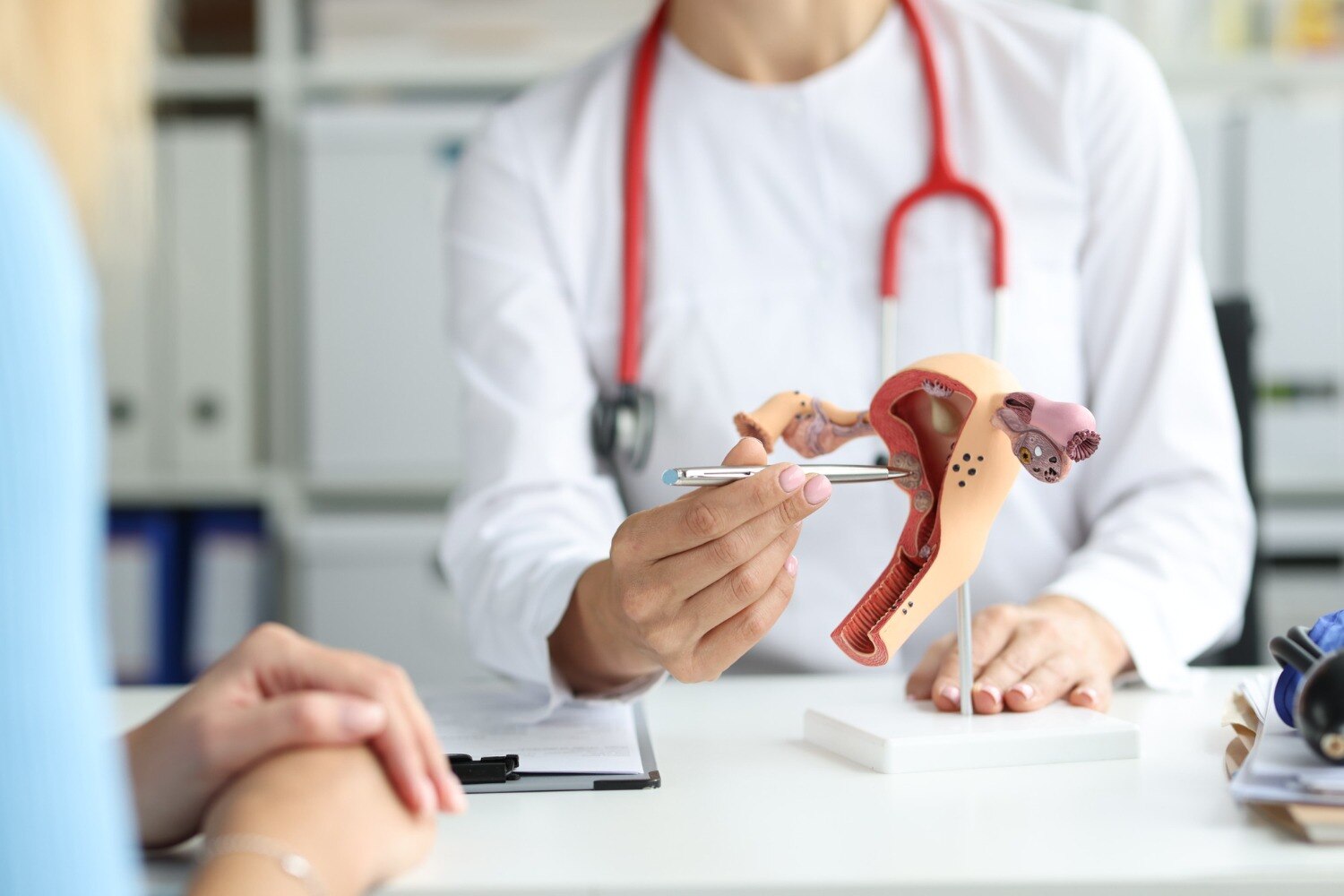
Book a routine consultation when your cycle changes repeatedly, period pain disrupts normal activities, bleeding occurs between periods or pregnancy does not progress as expected. Seek emergency care for heavy bleeding, fainting, severe one-sided pelvic pain or pregnancy symptoms that suggest a complication; by the end, you will know which symptoms need same-day help and how to prepare for a planned visit.
Key takeaways
- Seek urgent care for fainting, severe pain, heavy bleeding, fever or pregnancy bleeding.
- Evaluate a missed period after a positive test or three months without menstruation.
- Contact a gynecologist for fertility concerns, pelvic pain, unusual discharge or contraception advice.
- Bring your cycle dates, symptoms, medicines, test results and pregnancy history.
Which period symptoms need a routine appointment or urgent care?
Book a routine gynecology appointment for abnormal menstrual bleeding or period changes that persist or recur. Do not wait if symptoms suggest major blood loss, infection, ovarian torsion or a pregnancy complication.
| Situation | What to do |
|---|---|
| Bleeding lasts more than seven days | Book a routine appointment |
| Cycles repeatedly arrive less than 21 or more than 35 days apart | Book a routine appointment |
| Periods become irregular, or changes begin after age 40 | Book a routine appointment |
| Bleeding between periods or after sex | Book a routine appointment |
| Heavy periods or severe period pain limits school, work, sex or daily activities | Book a routine appointment |
| Soaking one pad or tampon every hour for more than two hours | Seek urgent medical care |
| Fainting, light-headedness, shortness of breath or chest pain with heavy bleeding | Seek urgent medical care |
| Severe one-sided pelvic pain, sudden pain with nausea or vomiting, or fever with pelvic pain | Seek same-day assessment |
| Bleeding or pain after a positive pregnancy test | Seek urgent medical assessment |
Heavy bleeding can cause clinically important blood loss, even if it resembles your usual period. Fainting, breathing difficulty or chest pain makes the situation more urgent.
Sudden one-sided pain can signal ovarian torsion, and waiting for intermittent pain to settle is unsafe. Fever with pelvic pain may indicate infection. If pregnancy is possible, do not assume the bleeding is a period; pain, weakness, dizziness or shoulder pain requires emergency care.
When is a late or missed period normal, and when does it need evaluation?
A single late period can follow a temporary change and often needs no investigation if pregnancy is excluded and your cycle returns. Take a home pregnancy test when pregnancy is possible, even if contraception was used. Arrange evaluation for a missed period that recurs, periods that remain absent, or a cycle pattern that changes suddenly.
Possible causes of repeated or unexpected changes include:
- PCOS, especially with PCOS symptoms such as acne, excess facial hair or scalp hair thinning
- Thyroid disease
- Major weight gain or loss
- Intense exercise or low energy intake
- Significant stress
- Medication effects
- Perimenopause, particularly from the 40s onward
PCOS cannot be diagnosed from an ultrasound alone. In adults, clinicians assess two of three features—ovulatory dysfunction, clinical or biochemical androgen excess, and polycystic ovarian morphology or elevated anti-Müllerian hormone—after excluding other causes. Irregular cycles plus androgen excess can meet the criteria without an ultrasound.
Book an assessment for severe or worsening period pain, pain that fails to improve with appropriate first-line treatment, or pain that interrupts work, school, sex or daily activities. These features warrant evaluation for endometriosis pain, adenomyosis or fibroids rather than dismissal as normal cramps.
When should you contact a gynecologist after a positive pregnancy test?
A positive pregnancy test is the point to contact an obstetric clinician and arrange your first antenatal visit. Antenatal care begins after conception; preconception counseling happens before pregnancy and covers medical conditions, medications, folic acid and pregnancy planning.
1. Contact an obstetric clinician promptly after a positive home test, even if you feel well. Early care confirms the pregnancy, reviews your health and establishes the next appointments.
2. Seek advice promptly if you have diabetes, hypertension, epilepsy, thyroid disease, a previous ectopic pregnancy, recurrent pregnancy loss or take prescription medicines. Do not stop prescription drugs abruptly; a clinician must balance your treatment needs with pregnancy safety.
3. Go to emergency care for heavy bleeding, severe or one-sided abdominal or pelvic pain, shoulder-tip pain, dizziness, fainting, severe headache with visual changes, seizure, trouble breathing, chest pain, fever, leaking fluid or markedly reduced fetal movement.
Bleeding with one-sided pain, shoulder-tip pain, dizziness or fainting can indicate a ruptured ectopic pregnancy, so do not wait for a routine appointment.
Pregnancy warning signs can occur at any stage, including before your first scheduled visit. If you cannot reach your obstetric clinician, use the nearest emergency department for urgent symptoms.
Which reproductive health concerns justify a consultation even without period symptoms?
Fertility, infection, prevention and contraception decisions all justify timely advice, even when your periods are normal. Book a fertility consultation after 12 months of regular unprotected intercourse if you are under 35, or after six months if you are 35 or older.
Seek assessment sooner if you are over 40, ovulation is irregular or absent, you have endometriosis or prior pelvic surgery, or male-factor infertility is possible.
Cervical screening prevents cancer and remains important without symptoms.
| Age | Accepted screening options |
|---|---|
| 21–29 | Cytology (Pap test) alone every three years |
| 30–65 | Primary HPV test every five years, HPV/Pap co-testing every five years, or cytology every three years |
New discharge, odor, itching, burning or pelvic discomfort cannot reliably distinguish a yeast infection, bacterial vaginosis or an STI. Examination and testing are needed; repeated self-treatment for “thrush” can delay diagnosis of trichomoniasis, cervicitis or pelvic inflammatory disease.
Sexually active women under 25 generally need annual chlamydia and gonorrhea screening; at 25 or older, testing is advised with a new or multiple partners, an STI-positive partner or inconsistent condom use. Prenatal care also includes STI screening. Bleeding after sex needs evaluation rather than waiting for routine cervical screening.
For emergency contraception, a copper IUD can be placed within five days of unprotected intercourse. Take emergency pills as soon as possible within five days; timing, medicines and ongoing contraceptive needs affect the choice.
How should you prepare for a gynecology consultation, and what may happen there?
Good gynecology appointment preparation starts with a period symptom diary covering your last three to six cycles. Bring previous reports and note:
- First day of each period and usual cycle length
- Number of pads or tampons used each day
- Clots, pain severity and missed activities
- Bleeding between periods or after sex
- All medicines and supplements
- Whether pregnancy is possible
For period concerns, evaluation may include pregnancy testing, a complete blood count to check for anemia, thyroid testing when indicated, a pelvic examination and ultrasound for abnormal bleeding. Tell the clinician if pain is one-sided, worsening or associated with fever.
Treatment depends on the cause, your health and whether you want pregnancy now.
| Option | What it may do | Key point |
|---|---|---|
| NSAIDs | Reduce period pain and bleeding | Use only as advised if ulcers, kidney disease or certain other risks apply |
| Hormonal contraception | Regulate bleeding or suppress ovulation | Discuss the method, side effects and pregnancy plans |
| Tranexamic acid | Reduce heavy menstrual bleeding | Use when clinically appropriate after assessment |
Dr AsthaMotwani Best Gynecologist Nagpur can provide specialist assessment for period, pregnancy, fertility or broader reproductive health concerns, helping match investigations to your symptoms rather than choosing a remedy blindly.
Do not book a routine visit for emergency symptoms. Seek immediate emergency care for soaking a pad or tampon hourly for more than two hours, fainting, severe one-sided pelvic pain, or heavy bleeding with possible pregnancy, dizziness, weakness, shortness of breath or chest pain.
Related items
 | Gynecology Most people will have the strong desire to conceive a child at some point during their lifetime. View product → |
Cosmetic Gynaecology Aesthetic and Cosmetic Gynaecology services Vaginal Tightening Vulvar and Vaginal Rejuvenation Post Delivery Rehab Stretchmarks Removal Leakage of... View service → |
Frequently asked questions
Which period symptoms need a routine appointment or urgent care?
Book a routine appointment for bleeding or period changes that persist or recur. Seek urgent care for severe pelvic pain, fainting, fever, signs of infection or bleeding that causes weakness or possible major blood loss.
When is a late or missed period normal, and when does it need evaluation?
A late period can follow stress, illness, major weight change, intense exercise, breastfeeding or hormonal contraception. Take a pregnancy test when pregnancy is possible, and arrange evaluation for repeated missed periods or three months without menstruation.
When should you contact a gynecologist after a positive pregnancy test?
Contact a gynecologist after a positive test to plan prenatal care, review medicines and confirm the pregnancy timeline. Seek urgent help for heavy bleeding, severe or one-sided pain, shoulder pain, dizziness or fainting.
Which reproductive health concerns justify a consultation without period symptoms?
Arrange a consultation for difficulty conceiving, pelvic or vulvar pain, unusual discharge or odour, pain during sex, contraception questions, sexually transmitted infection concerns, menopause symptoms or a breast or pelvic lump.
How should you prepare for a gynecology consultation, and what may happen there?
Record cycle dates, bleeding patterns, pain, symptoms, medicines, allergies, pregnancy history and home test results. The clinician may discuss your history, perform an examination, recommend pregnancy or infection tests, or request an ultrasound.
Related products
 | Gynecology Cervical cancer Screening & Immunization What is cervical cancer? Cancer that starts in the cervix is called cervical cancer. It is most often caused by the human papilloma virus (HPV). View product → |
 | Gynecology obstetrics High Risk Pregnancy includes Diabebtes, High blood pressure, hypothyroidism, hyperthyroidism, recurrent abortions or miscarriages, previous fetal... View product → |