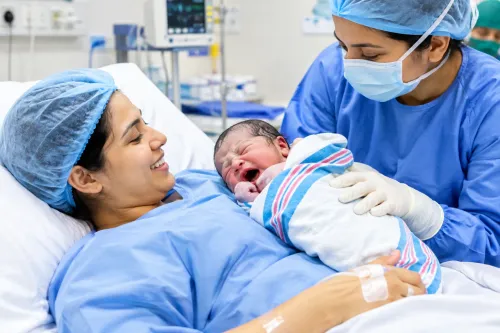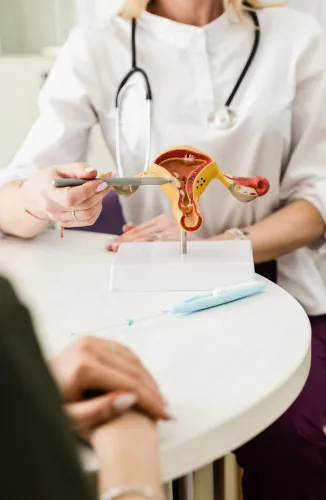
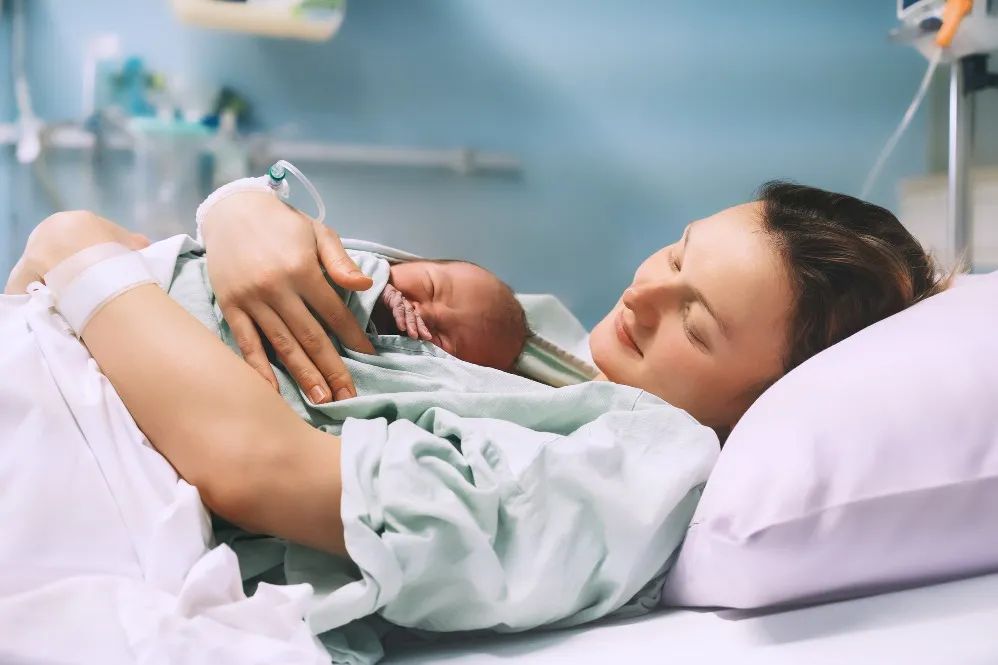
The thought of labor pain is one of the biggest concerns for many expectant mothers. It is natural to wonder how painful childbirth will be and whether there are safe ways to make the experience more comfortable. Advances in obstetric care have made painless pregnancy delivery a practical option for many women, allowing them to remain comfortable during labor while actively participating in the birth of their baby.
Although the term 'painless delivery' is commonly used, it does not mean that all sensations are completely eliminated. Instead, it refers to medically supervised pain relief techniques that significantly reduce labor pain while ensuring the safety of both the mother and the baby.
What Is Painless Pregnancy Delivery
Painless pregnancy delivery usually involves the use of epidural analgesia, a widely accepted method of pain management during labor. An anesthesiologist administers medication through a small catheter placed in the lower back, helping reduce pain while allowing the mother to remain awake and alert throughout childbirth.
The level of pain relief is carefully adjusted based on the mother's condition and the progress of labor. Throughout the process, both the mother and baby are continuously monitored by the medical team.
Who Can Consider This Option
Many healthy pregnant women may be eligible for painless labor, but the decision depends on individual medical evaluation.
Your obstetrician may discuss this option if you
- Have a normal pregnancy
- Prefer effective pain management during labor
- Have no medical conditions that prevent epidural use
- Are planning a vaginal delivery
- Understand the benefits and possible limitations of the procedure
Every pregnancy is different, so suitability is determined only after a thorough medical assessment.
Benefits of Painless Pregnancy Delivery
Pain relief during labor offers several advantages for many expectant mothers.
These include
- Significant reduction in labor pain
- Greater comfort during childbirth
- Improved ability to remain calm and focused
- Better participation during delivery
- Reduced physical exhaustion during prolonged labor
- Positive childbirth experience for many women
While pain relief improves comfort, the labor process continues to be monitored carefully to ensure maternal and fetal well-being.
Clearing Common Misconceptions
Several myths continue to discourage women from considering painless labor. Understanding the facts helps expecting parents make informed decisions.
A common misconception is that epidural pain relief always leads to cesarean delivery. Current medical evidence does not support this belief. Another myth is that the mother cannot push during labor. In reality, modern epidural techniques usually allow women to actively participate in the delivery process.
Some women also worry about permanent back problems after an epidural. Temporary soreness at the injection site may occur, but serious long-term complications are uncommon when the procedure is performed by trained specialists.
Discussing these concerns with your obstetrician helps separate facts from myths.
Preparing for Labor
During the final weeks of pregnancy, it is helpful to discuss your birth plan with your doctor. Understanding available pain relief options before labor begins allows you to make informed decisions without unnecessary stress.
Regular prenatal visits, a healthy diet, appropriate physical activity, childbirth education, and timely hospital admission all contribute to a smoother delivery experience.
Women in Nagpur increasingly discuss painless labor during antenatal consultations as awareness about modern maternity care continues to grow. Access to experienced obstetricians, anesthesiologists, and well-equipped maternity facilities has made this option more accessible for eligible mothers.
Dr. Astha Motwani Gynecologist Infertility provides comprehensive pregnancy care, delivery planning, and guidance on pain management options based on each patient's medical condition and childbirth preferences. Patients can also visit nariclinic.in to understand available maternity services and discuss the most appropriate delivery plan with their healthcare provider.
Choosing painless pregnancy delivery is a personal decision that should always be made after detailed consultation with an experienced obstetrician. Understanding the procedure, its benefits, and its suitability allows expectant mothers to approach childbirth with greater confidence and peace of mind.
Keywords