
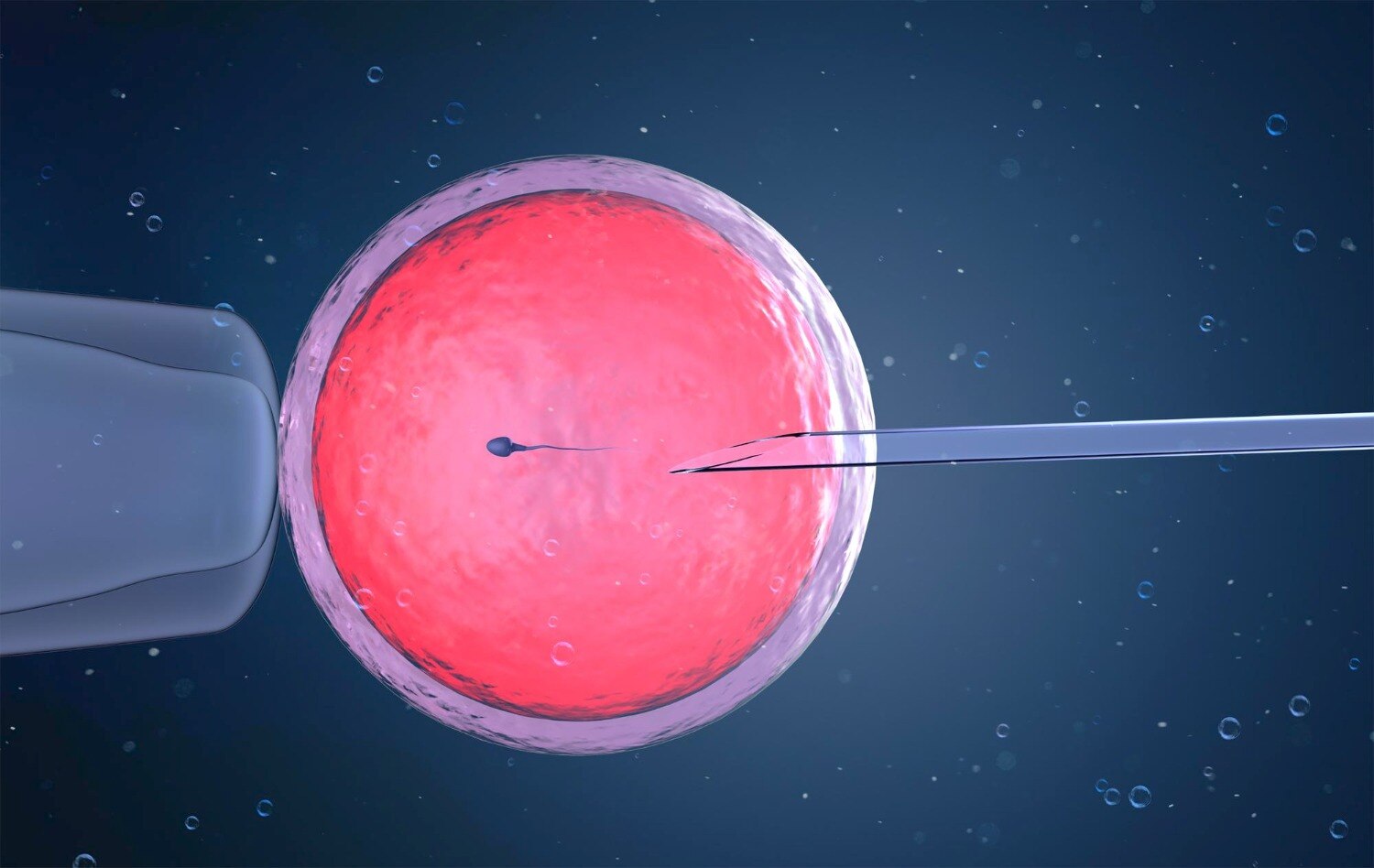
IUI is considered after clinicians assess ovulation, sperm quality and whether at least one fallopian tube is open. By the end, you will know when IUI is a reasonable next step, when IVF or faster evaluation makes more sense, and what treatment details to compare before starting.
Key takeaways
- Seek evaluation after 12 months under 35, six months at 35–39, or promptly at 40.
- IUI suits unexplained infertility, ovulation problems, and mild sperm abnormalities.
- Blocked fallopian tubes, severe sperm problems, and low egg reserve can make IUI a poor fit.
- Compare treatment time, success factors, monitoring, medication, and cost before choosing IUI or IVF.
When should you seek a fertility evaluation before considering IUI?
Under 35, seek a fertility evaluation after 12 months of regular unprotected intercourse without pregnancy. If you are 35 to 39, seek help after six months. If you are 40, seek an age 40 fertility assessment promptly rather than waiting for either milestone.
Arrange assessment sooner at any age if you have irregular or absent ovulation, previous pelvic surgery, endometriosis, chemotherapy, or a suspected sperm problem. These findings can reduce the value of spending additional months trying without a diagnosis.
- Confirm ovulation through cycle history, ovulation testing, bloodwork, or ultrasound. Without ovulation, IUI needs an ovulation-treatment plan.
- Complete a semen analysis measuring sperm concentration, movement, and shape. The result shows whether processed sperm could plausibly reach the egg.
- Check tubal patency with hysterosalpingography, which uses contrast X-rays, or saline sonohysterography, which uses ultrasound. At least one fallopian tube must be open; IUI cannot overcome complete blockage of both tubes.
- Add ovarian-reserve testing when age, irregular cycles, previous treatment, or another finding raises concern about egg supply. Tests can include anti-Müllerian hormone, antral follicle count, and follicle-stimulating hormone.
The key question is not only how long conception has taken. It is whether ovulation occurs, sperm can reach the egg, and an open tube provides a route to fertilisation. These results determine whether IUI is possible or whether another treatment deserves priority.
Which fertility problems make IUI a reasonable option?
Clinicians consider IUI when the basic assessment shows that ovulation can occur, at least one fallopian tube is open, and the processed semen sample contains enough motile sperm. During IUI, a laboratory concentrates moving sperm and places them inside the uterus, reducing the distance sperm must travel when intercourse has not led to pregnancy.
| Diagnosis or circumstance | Why IUI may help | What must still be true |
|---|---|---|
| Unexplained infertility | IUI with oral ovarian stimulation can improve the chance that sperm meets an egg | Ovulation and tubal patency are confirmed |
| Ovulation disorders | Treatment can induce ovulation before insemination | The ovaries respond safely to treatment |
| Mild male-factor infertility | Concentrating motile sperm can partly offset reduced count or movement | The post-wash sample contains a usable number of moving sperm |
IUI also suits couples who cannot have intercourse or when ejaculation is difficult. Donor sperm IUI provides an option for some single women and female same-sex couples, but donor or partner sperm does not remove the need to confirm ovulation and tubal status.
For unexplained infertility, treatment plans depend on local evidence and funding. ASRM commonly describes three to four cycles using oral ovarian-stimulation medicine plus IUI before IVF. UK NICE guidance gives eligible people who have tried for two years a choice between four cycles of unstimulated IUI and IVF.
Ask which recommendation applies to you, and which funding rules shape it.
When is IUI a poor fit or too slow to be the next step?
Another treatment deserves priority when IUI cannot overcome the main cause of infertility or would spend time on a low-probability option.
1. Blocked fallopian tubes, severe endometriosis, major pelvic adhesions, and severe tubal disease make IUI a poor fit. Insemination places sperm inside the uterus, but it cannot repair distorted pelvic anatomy or create a route to the egg. Mild endometriosis or a cervical factor does not automatically rule out IUI; the extent of disease matters.
2. Severe sperm problems reduce IUI’s value. A low sperm count, poor motility, or repeated post-wash total motile sperm counts below about 5 million can lead clinicians to recommend IVF with intracytoplasmic sperm injection (ICSI).
That figure is a warning threshold, not an absolute cutoff, but repeated low results are more concerning than one variable sample.
3. Diminished ovarian reserve can make several low-probability IUI cycles a costly use of limited reproductive time. Age also changes the calculation: egg number and quality decline, so clinicians may move faster to IVF, particularly around ages 38 to 40 and above.
4. IVF may deserve priority when embryo testing is part of the plan. IUI does not select genetically normal embryos or bypass age-related egg-quality problems, so it cannot provide what embryo testing is designed to do.
What happens during an IUI cycle, and which protocol is used?
An IUI cycle starts with menstrual-cycle tracking and ultrasound monitoring. Blood tests are added when hormone levels need clarification or closer timing. The protocol depends on whether you ovulate regularly and how many follicles can be developed safely.
| Protocol | How ovulation is managed | When it is used |
|---|---|---|
| Natural-cycle IUI | Uses your own ovulation, with ultrasound timing | Regular ovulation and no need for stimulation |
| Stimulated IUI | Uses oral letrozole or clomiphene to encourage follicle development | Irregular ovulation or unexplained infertility |
| Gonadotropin IUI | Uses injectable follicle-stimulating medicines | Selected cases; not the routine first choice for unexplained infertility |
For unexplained infertility, letrozole or clomiphene with IUI is generally preferred to gonadotropins because injections increase the risk of twins, triplets, or higher-order multiples without a proportional routine benefit. When a mature follicle is ready, an injection containing human chorionic gonadotropin may trigger ovulation at a planned time.
The sperm sample is collected on the scheduled day. The laboratory washes it to remove seminal fluid and concentrates the motile sperm. A clinician then passes a thin catheter through the cervix and deposits the prepared sample in the uterus, usually near expected ovulation.
Ultrasound also counts developing follicles. If too many grow, the clinic may cancel the cycle to reduce multiple-pregnancy risk. Cancellation is a safety decision; IUI is not harmless in every cycle simply because it is less invasive than IVF.
How should you compare timed intercourse, IUI and IVF before deciding?
Compare the options on three questions: how much treatment they require, what limits their effectiveness, and how safely the clinic manages the cycle. Expectant management is reasonable when testing is reassuring and you have a meaningful chance of conceiving without intervention.
| Option | Complexity | When it may fit |
|---|---|---|
| Expectant management | No treatment | Reassuring evaluation and time to try |
| Timed intercourse | Ovulation tracking; no laboratory sperm preparation | Ovulation occurs and intercourse is possible |
| IUI | Washed, motile sperm placed in the uterus | Unexplained infertility, ovulation treatment, mild sperm problems, or donor sperm |
| IVF | Egg retrieval, laboratory fertilisation and embryo transfer | Blocked tubes, severe sperm problems, low ovarian reserve, limited time, or embryo testing |
IUI is less invasive and less complex than IVF, but its chance of pregnancy per cycle is lower, so several attempts may be needed. Results depend on age, diagnosis, medication, sperm count, and whether partner or donor sperm is used; a clinic-wide rate does not predict your outcome.
IUI is not a way to select genetically normal embryos or bypass age-related egg-quality decline.
An IUI clinic comparison should include these safety questions:
- How many developing follicles trigger cancellation?
- How does the clinic reduce multiple pregnancy risk?
- How often will ultrasound or blood-test monitoring occur?
- Which sperm-preparation standard and post-wash total motile sperm threshold are used?
- What happens if the cycle is unsafe or produces no useful response?
A consultation with Dr AsthaMotwani Best Gynecologist Nagpur can connect these answers with your medical history rather than relying on an average success rate.
Related product
 | IUI IUI View product → |
Frequently asked questions
When should you seek a fertility evaluation before considering IUI?
Seek evaluation after 12 months of regular unprotected intercourse if you are under 35, after six months if you are 35 to 39, and promptly at age 40. Seek earlier assessment for irregular periods, suspected endometriosis, previous pelvic infection, recurrent miscarriage, or known sperm problems.
Which fertility problems make IUI a reasonable option?
IUI can be reasonable for unexplained infertility, ovulation disorders after ovulation treatment, mild sperm-count or sperm-motility problems, difficulty with intercourse, or use of donor sperm. Your clinician must confirm at least one open fallopian tube and assess ovarian reserve and semen quality.
When is IUI a poor fit or too slow to be the next step?
IUI is a poor fit when both fallopian tubes are blocked, sperm abnormalities are severe, ovarian reserve is very low, or untreated conditions such as significant endometriosis need attention. At age 40 or older, delaying IVF for repeated IUI cycles can reduce the time available for treatment.
What happens during an IUI cycle, and which protocol is used?
A cycle may use a natural-ovulation protocol or medication such as letrozole or clomiphene, with ultrasound monitoring. An hCG trigger can time ovulation, followed by preparation of the semen sample and placement of concentrated sperm into the uterus through a thin catheter. The exact protocol depends on ovulation, ovarian reserve, semen results, age, and multiple-pregnancy risk.
How should you compare timed intercourse, IUI and IVF before deciding?
Compare the number of visits, monitoring, medication, procedure burden, risk of multiple pregnancy, treatment speed, sperm and tube requirements, and total cost. Timed intercourse is least invasive, IUI bypasses the cervix, and IVF fertilises eggs in a laboratory while offering a stronger option when age, tubes, sperm, or ovarian reserve make IUI less suitable.