
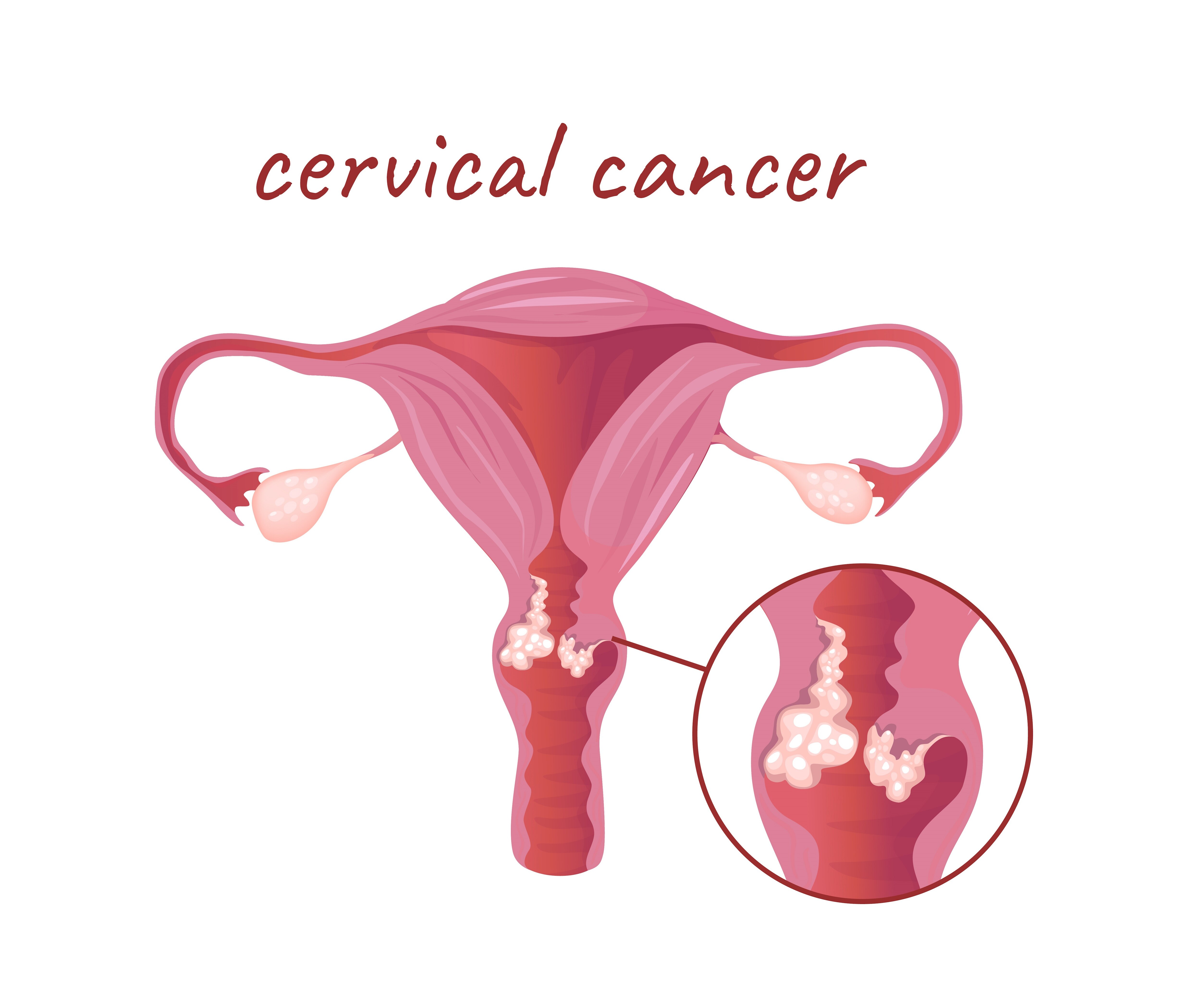
Cervical precancer often develops silently, so waiting for pain, bleeding, or discharge can miss the stage when treatment can prevent cancer. You will learn how screening works, which test and interval may apply to you, how to interpret results, and when symptoms require a separate clinical assessment.
Key takeaways
- Cervical precancer can develop without pain, bleeding, or other warning signs.
- Persistent high-risk HPV can cause cell changes over several years.
- Ask which screening test and interval match your age and medical history.
- Follow up promptly after a positive or abnormal result.
How Cervical Precancer Can Develop Without Warning
Cervical precancer can develop while you feel completely well because early abnormal cells do not reliably cause noticeable symptoms. High-risk HPV infection can persist in cervical tissue and gradually produce silent cervical changes over years, before invasive cancer develops.
Screening looks for the infection or cell changes during this window, when early detection and treatment can prevent progression.
Screening is intended for people with no symptoms; it is not a diagnostic test for a complaint. Seek clinical assessment instead of waiting for your next screening appointment if you have:
- Bleeding after sex
- Bleeding between periods
- Bleeding after menopause
- Persistent watery or blood-stained vaginal discharge
- Pelvic pain
A normal pelvic examination does not replace cervical screening. Screening uses a speculum sample taken from the cervix for HPV testing, cervical cytology, or both; a pelvic examination serves different clinical purposes. Feeling healthy, having no warning signs, or receiving a normal examination therefore does not prove that cervical precancer is absent.
Attend screening at the interval recommended for your age and medical history.
What HPV Persistence Has to Do With Future Risk
An HPV infection does not automatically alter cervical cells. Most infections clear through the immune response before causing harm. The concern begins when persistent high-risk HPV remains in cervical tissue instead of disappearing.
Over years, persistent high-risk HPV can interfere with the proteins that control cell growth and repair. Infected cells may then develop precancerous changes, which can progress further if they remain untreated. This process usually takes years, not days.
HPV 16 and HPV 18 carry particularly high risks for cervical precancer and cancer. By contrast, low-risk HPV types more commonly cause genital warts and rarely cause cervical cancer.
A positive HPV result means the test detected a high-risk HPV type in the sample; it does not mean you have cancer. It also cannot show when you acquired the infection or prove that a partner recently transmitted it, because HPV can remain undetected for years.
One positive result does not establish persistent infection. Your next step depends on the HPV type, your current cell result, and previous screening history. Follow-up may involve repeat testing or colposcopy, which examines the cervix more closely. A negative result lowers your current risk substantially, but completing screening at the recommended interval remains important.
Which Screening Test You May Be Offered
A screening sample is collected with a speculum from the cervix and sent to a laboratory. The test checks for high-risk HPV, abnormal cervical cells, or both; a pelvic examination looks for physical abnormalities and is not a laboratory screening test.
| Option | What it checks | What the result means |
|---|---|---|
| Primary HPV testing | High-risk HPV genetic material | Detects infection linked to cervical precancer risk, even before cell changes appear |
| HPV Pap co-testing | High-risk HPV plus a Pap test | Combines HPV detection with examination of cervical cells for abnormalities |
| Cervical cytology | Cervical cells under a microscope; also called a Pap test | Finds cell changes that may need repeat testing, monitoring, or colposcopy |
The best option depends on your age, previous results, medical history and the screening programme where you live. A normal result from one method does not make the other methods interchangeable; each identifies a different warning sign.
A pelvic examination cannot replace cervical screening. It may assess the vagina, cervix, uterus and ovaries when you have pain, bleeding or another clinical concern, but it cannot reliably detect high-risk HPV or early cell changes. A cervix that looks normal during examination can still contain HPV or precancerous cells.
Tell a clinician about symptoms rather than waiting for your next screening appointment.
How Often to Screen—and When the Usual Schedule Changes
For people at average risk, screening usually follows an age-based plan rather than an annual test. India cervical screening guidelines and local programmes differ, so use the interval recommended by your clinician and the test available to you.
| Option | Cervical cancer screening interval | Typical age-based use |
|---|---|---|
| Primary HPV test | Every 5 years | Often offered from ages 30–65 |
| HPV and Pap co-test | Every 5 years | An option for ages 30–65 where available |
| Pap test (cytology) alone | Every 3 years | An alternative when HPV testing is unavailable |
This schedule changes after an abnormal screening result. Follow-up can involve an earlier repeat test, HPV triage, or colposcopy instead of waiting for the usual interval. A history of cervical precancer treatment also requires continued surveillance; do not return to routine screening without explicit medical advice.
Ask for an individual plan if you have:
- HIV, an organ transplant, or medicines that suppress immunity
- Previous CIN2, CIN3, adenocarcinoma in situ, or cervical precancer treatment
- Prior cervical cancer, DES exposure before birth, or repeated abnormal results
- A total hysterectomy: screening may stop after removal of the cervix for benign reasons, but not automatically after high-grade precancer or cancer
Pregnancy does not erase an indicated abnormal result. Clinicians can perform colposcopy during pregnancy, while treatment is usually postponed unless invasive cancer is suspected. Bleeding after sex, unusual discharge, pelvic pain, or bleeding between periods needs assessment at any age; do not wait for the next cervical cancer screening interval.
What to Do With a Normal, Positive, or Abnormal Result
A normal result lowers your current risk; it does not provide lifelong protection. Keep the next screening date, because a new infection or a change that develops later will not appear on an old report.
- After a negative HPV test, follow the interval recommended for your age, test type, and medical history. Do not repeat it early for reassurance or skip the next appointment.
- A positive HPV result detects a high-risk type; it does not diagnose cancer or prove recent transmission by a partner. Complete the advised repeat test, triage, or colposcopy.
- An abnormal Pap result can reflect temporary infection or low-grade changes rather than cancer. Follow the specified repeat cytology, HPV testing, or colposcopy plan instead of assuming it will resolve.
- Seek assessment for bleeding after sex, bleeding between periods, unusual discharge, or pelvic pain even when screening is current. Screening looks for risk before symptoms; it does not investigate symptoms.
- Tell the clinician about HIV, medicines or conditions that suppress immunity, previous CIN2 or CIN3, cervical cancer, or treatment for a prior abnormality. These histories can shorten intervals or require specialist follow-up.
- Ask whether screening after hysterectomy is needed. It depends on whether the cervix was removed and whether you have a history of high-grade precancer or cervical cancer.
At Dr AsthaMotwani Best Gynecologist Nagpur, bring the full report and prior results so the clinician can base follow-up on your history rather than one isolated test.
Related product
 | Gynecology Cervical cancer Screening & Immunization What is cervical cancer? Cancer that starts in the cervix is called cervical cancer. It is most often caused by the human papilloma virus (HPV). View product → |
Frequently asked questions
Can cervical precancer develop without symptoms?
Yes. Early abnormal cervical cells often cause no noticeable symptoms, so screening can detect changes before invasive cancer develops.
How does persistent HPV affect cervical cancer risk?
High-risk HPV that remains in cervical tissue can gradually cause abnormal cell changes over several years.
Which cervical cancer screening tests may be offered?
You may be offered an HPV test, a Pap test, or co-testing with both, depending on your age, history, and local clinical guidance.
How often should you have cervical cancer screening?
The interval depends on the test used, your age, previous results, vaccination and treatment history, and your clinician’s guidance.
What should you do after a positive HPV or abnormal Pap result?
Ask your clinician what follow-up is needed, such as repeat testing, colposcopy, or treatment, and complete it within the recommended timeframe.