Choosing IVF starts with identifying why pregnancy has not occurred, how long you have been trying, and which treatments remain reasonable alternatives. By the end, you will know when to seek an evaluation, what an IVF cycle involves, how it differs from IUI and ICSI, and which questions to ask before proceeding.
Key takeaways
- Seek evaluation after 12 months under age 35, or six months from age 35 onward.
- Seek earlier testing for irregular periods, tubal disease, endometriosis, or sperm problems.
- IVF uses ovarian stimulation, egg retrieval, fertilisation, embryo culture, and embryo transfer.
- Compare IVF, IUI, and ICSI using your diagnosis, age, test results, risks, and goals.
When should you seek an infertility evaluation, and when might IVF be recommended?
Seek an infertility evaluation after 12 months of regular, unprotected intercourse if the woman is younger than 35, or after six months if she is 35 or older. Do not wait that long with irregular or absent periods, suspected tubal disease, endometriosis, recurrent miscarriage, previous pelvic surgery, or known sperm problems.
Both partners need assessment before choosing treatment. Testing may include ovulation review, ovarian-reserve testing when indicated, ultrasound assessment of the uterus and ovaries, fallopian-tube testing, and at least one semen analysis. This prevents treatment aimed at the wrong cause, such as treating ovulation when sperm factors are the main problem.
| Situation | Why earlier assessment or IVF may be considered | Possible approach |
|---|---|---|
| Blocked fallopian tubes or absent tubes | Sperm cannot reach the egg naturally; tubal surgery may not restore function | IVF may bypass the tubes |
| Severe endometriosis | Pain and pelvic disease can affect egg release, tubes and ovarian reserve; severe endometriosis infertility treatment needs individual planning | Surgery, other treatment or IVF |
| Severe male-factor infertility | Very low sperm count, movement or normal forms can reduce the chance of intercourse or IUI working | IVF with ICSI may be recommended |
| Other causes or failed treatment | Ovulation treatment or IUI has not worked, or infertility remains unexplained | IVF may follow discussion of age, ovarian reserve and previous results |
IVF is not automatically the first treatment. IVF indications depend on the cause, duration of infertility, age and earlier treatment; some people need ovulation medication, surgery or IUI first.
What happens during a complete IVF treatment cycle?
One full IVF cycle begins with ovarian stimulation and may include both fresh and frozen embryo transfers from the same egg collection.
1. Ovarian stimulation injections encourage several follicles to grow instead of the single follicle produced in a natural cycle. Medication schedules vary by protocol.
2. Monitoring uses transvaginal ultrasound and sometimes blood tests to measure follicle growth and hormone levels. The clinic adjusts medication and identifies the safest collection date.
3. A trigger injection completes final egg maturation. Timing matters: egg retrieval usually takes place about 34 to 36 hours later.
4. During egg retrieval, a doctor guides a needle through the vagina into the ovaries. Egg retrieval sedation helps control discomfort, and you usually return home the same day.
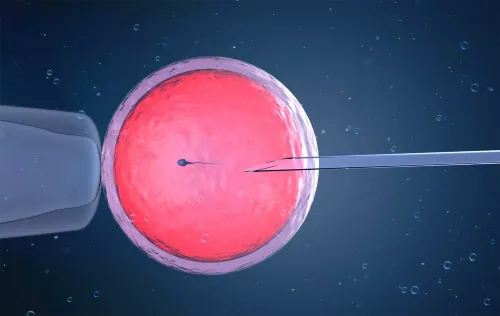
5. In the laboratory, sperm is placed with the eggs for conventional fertilisation. The laboratory may use ICSI, which injects one sperm directly into an egg, when sperm problems or previous fertilisation failure justify it.
6. Embryos remain in culture for several days while embryologists assess development. Suitable embryos can be transferred or frozen for later use.
7. Embryo transfer places one selected embryo into the uterus through a thin catheter. Embryo transfer recovery usually involves light activity, although cramping or spotting can occur.
8. A frozen transfer avoids repeat stimulation and egg retrieval. After transfer, follow prescribed medication and wait for the clinic’s pregnancy test, commonly performed about 10 to 14 days later. Report severe pain, marked abdominal swelling, vomiting or breathing difficulty promptly because these can signal ovarian hyperstimulation syndrome.
How do IVF, IUI and ICSI differ?
IVF vs IUI differs mainly in where fertilisation occurs. IUI places prepared sperm inside the uterus, so fertilisation still occurs in the fallopian tube. IVF retrieves eggs and combines them with sperm in a laboratory, then transfers an embryo into the uterus.
| Option | Where fertilisation occurs | Monitoring, medication and best-known uses |
|---|---|---|
| IUI | Inside the body, usually in a fallopian tube | Ovulation tracking, sometimes tablets or injectable medication, and one sperm injection into the uterus. It may come first for unexplained infertility, ovulation problems or mild male-factor infertility when the tubes are open. |
| Conventional IVF | In a laboratory, after egg retrieval | Injectable ovarian stimulation, ultrasound and blood-test monitoring, a trigger injection, egg collection, embryo culture and transfer. It bypasses blocked or absent fallopian tubes and may be recommended after other treatments fail. |
| IVF with intracytoplasmic sperm injection ICSI | In a laboratory; one sperm is injected directly into one egg | Uses the same stimulation and retrieval process as IVF. A laboratory may choose ICSI for very low sperm numbers or movement, surgically retrieved sperm, or previous failure or very low fertilisation with conventional IVF. |
IUI is not suitable when both tubes are blocked because sperm cannot reach an egg. ICSI is not automatically better than conventional IVF; without a specific indication, routine use has not shown improved live-birth outcomes.
How do age, test results, success rates and risks affect the decision?
Age is one of the strongest predictors of IVF success because egg quality and egg number decline over time. AMH and antral follicle count help estimate how the ovaries may respond to stimulation and how many eggs might be collected; they do not measure egg quality or guarantee a live birth.
Semen results—concentration, movement and shape—help identify male-factor infertility and whether ICSI is appropriate.
| Age or test result | What it helps predict | What it cannot promise |
|---|---|---|
| Younger age with adequate reserve | Better chance of usable embryos | Implantation or live birth |
| Low AMH or low antral follicle count | Fewer eggs collected | No chance of pregnancy |
| Abnormal semen results | Need for ICSI or altered laboratory treatment | The outcome of every embryo |
Use IVF success rates by age, treatment type and outcome. A pregnancy rate counts positive pregnancies; a live-birth rate counts births, so the figures are not interchangeable. Clinic rates describe groups, not your personal guarantee.
Ask about single-embryo transfer, which reduces twins and higher-order multiples. Ovarian hyperstimulation syndrome can cause painful swelling, vomiting, breathing difficulty or blood clots and needs prompt medical advice. Ectopic pregnancy after IVF requires urgent assessment for severe abdominal pain, heavy bleeding, fainting or shoulder-tip pain.
Embryo testing examines selected genetic conditions but cannot predict every disorder or prevent miscarriage. Decide on further cycles using prognosis, cost, emotional strain, medical risk and alternatives—not egg count alone.
What should you ask before starting IVF with a fertility specialist?
Ask for a written plan, not just a headline success rate. The right choice depends on your age, diagnosis, ovarian reserve, semen results, previous treatment, and whether another option could work with less burden.
A fertility specialist consultation is appropriate after the usual evaluation thresholds, or sooner with irregular periods, suspected tubal disease, endometriosis, recurrent miscarriage, prior pelvic surgery, or known sperm problems.
Questions to ask before IVF include:
- What is the recommended alternative—timed intercourse, ovulation medication, IUI, surgery, donor eggs or sperm—and why is IVF preferable now?
- Which protocol will you use, how many injections and clinic visits are expected, and what happens if follicles respond poorly or excessively?
- Will fertilisation use conventional IVF or ICSI, and what specific finding justifies ICSI?
- What are your live-birth rates for my age and treatment type, rather than pregnancy rates alone?
- How many eggs, embryos, transfers, or cycles do you recommend before reassessing?
- What are the risks, including ovarian hyperstimulation syndrome, bleeding, infection, ectopic pregnancy, miscarriage, and multiple pregnancy?
- What will the likely financial, time, travel, and emotional demands be, including costs for freezing and storage?
At Dr AsthaMotwani Best Gynecologist Nagpur, use the consultation to clarify whether fertility preservation is relevant before treatment that could affect future fertility, and request a personalised plan rather than deciding from the number of eggs collected. Ask how results will change the next step.
Related items
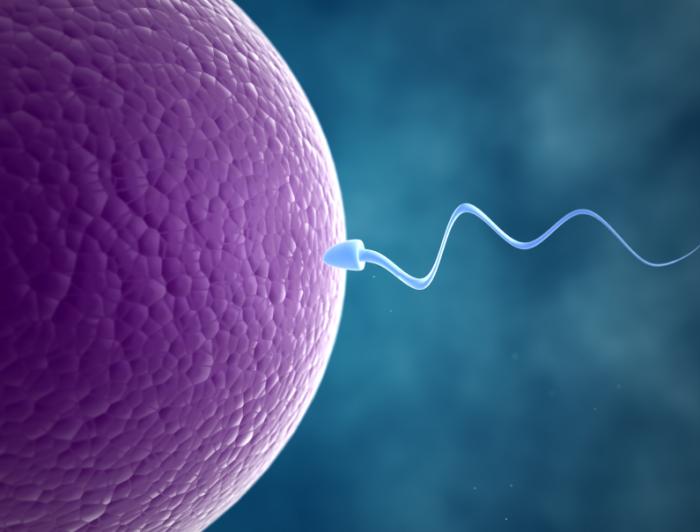
IVF: In-vitro Fertilization In-vitro Fertilization (IVF) refers to a technique of assisted reproduction where the egg and sperm are fertilised outside of the body to form an... View service → |
 | Gynecology Most people will have the strong desire to conceive a child at some point during their lifetime. View product → |
Frequently asked questions
When should you seek an infertility evaluation?
Seek evaluation after 12 months of regular, unprotected intercourse if the woman is younger than 35, or after six months if she is 35 or older. Seek help sooner for irregular or absent periods, suspected tubal disease, endometriosis, recurrent miscarriage, previous pelvic surgery, or known sperm problems.
When might IVF be recommended?
A fertility specialist may recommend IVF after reviewing your age, ovarian reserve, fallopian tubes, ovulation, sperm results, previous treatment, and the likely cause of infertility. IVF can be considered when other treatments are unsuitable or have not worked.
What happens during a complete IVF treatment cycle?
A cycle usually includes ovarian stimulation with medicines, ultrasound and blood-test monitoring, an hCG or GnRH agonist trigger, egg retrieval, fertilisation in the laboratory, embryo culture, embryo transfer, and a pregnancy test. ICSI is added when sperm-related fertilisation problems make it appropriate.
How do IVF, IUI, and ICSI differ?
IUI places prepared sperm inside the uterus around ovulation. IVF combines eggs and sperm in a laboratory before transferring an embryo to the uterus. ICSI is a fertilisation method within IVF in which one sperm is injected into one egg.
How do age, test results, success rates, and risks affect the IVF decision?
Age and ovarian reserve affect the number and quality of eggs available, while sperm, tubal, uterine, and ovulation findings influence treatment choice. Ask for clinic-specific success rates for your age and diagnosis, and discuss risks such as ovarian hyperstimulation syndrome, multiple pregnancy, bleeding, infection, and emotional or financial strain.
Related product
 | Gynecology Safe Normal Vaginal delivery and Cesarean Section For years, women who'd had a C-section were encouraged to skip vaginal deliveries altogether and schedule C-sections for all future births. View product → |